
 By David Brown
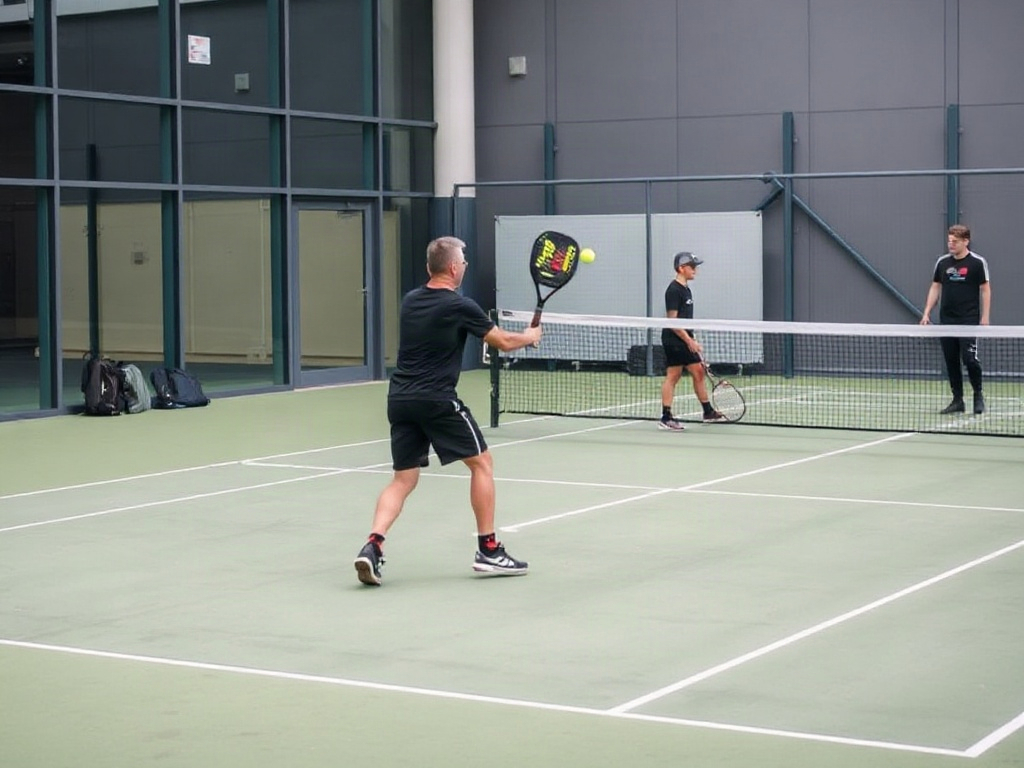
Padel has moved far beyond being a niche racket sport, and venues that combine quality facilities with serious player development are helping shape its next chapter. For players who want more than a casual hit, the right environment can make a noticeable difference in confidence, consistency, and overall enjoyment. The blend of accessible court access, structured coaching, and purposeful training creates a setting where beginners can learn quickly and experienced players can sharpen their edge. In that context, padel and performance cwmcarn stands out as a destination built around both participation and progression. It offers a practical pathway for anyone who wants to understand the game better and play it with more intention. Whether you are looking for social matches, technical improvement, or performance-focused sessions, the venue has much to offer.
What makes a padel venue valuable is not only the courts themselves, but also the quality of support around them. Players benefit from spaces that are well maintained, coaching that is easy to access, and training options that reflect different skill levels and goals. At Padel and Performance Cwmcarn, the experience is designed to serve a broad audience without losing sight of detail. That means beginners can build fundamentals in a welcoming setting, while advanced players can work on tactics, movement, and match sharpness. The result is a place where development feels structured rather than random. For local players and visiting athletes alike, that combination can be the difference between playing occasionally and improving consistently.
What Padel and Performance Cwmcarn Offers
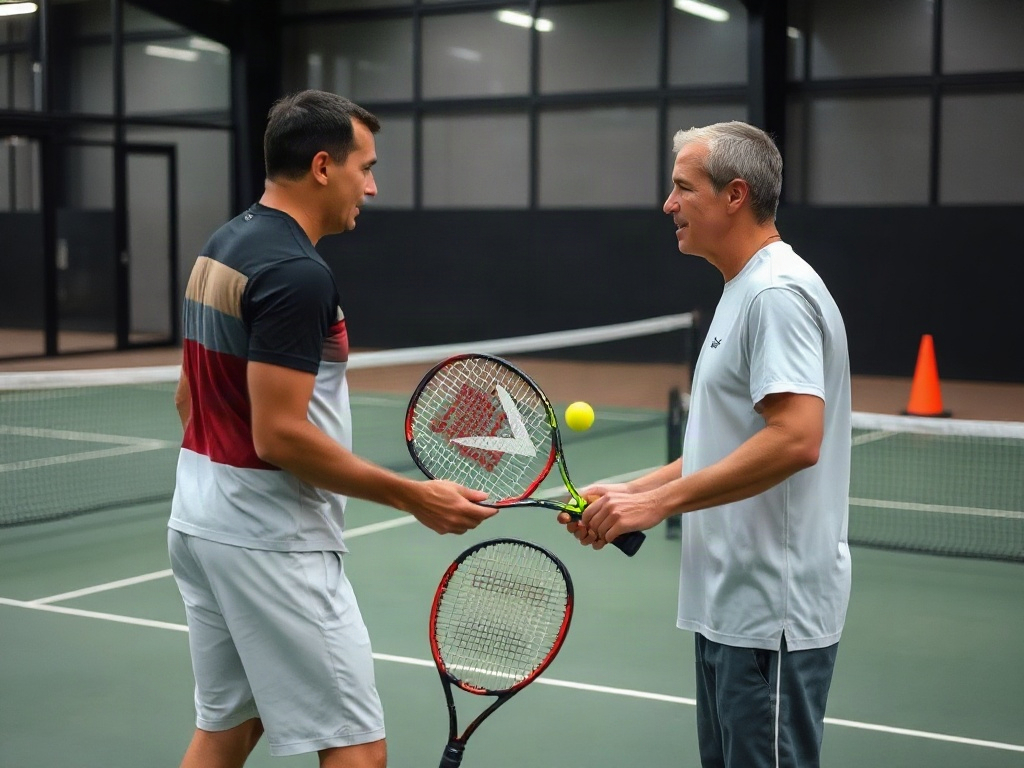
The venue is built around the idea that padel should be accessible, enjoyable, and performance-driven at the same time. Players can expect an environment that supports both casual recreation and deliberate skill development. A strong padel facility does more than provide a surface to play on, because it helps create momentum for learning and improvement. That is especially important for players who are still developing their confidence with the walls, angles, and tempo of the sport. The setup is also useful for experienced players who want to refine habits and compete more effectively. In practical terms, this means the venue can suit a wide variety of needs without feeling diluted or overly specialized.
One of the strengths of a venue like this is its flexibility across player types and training objectives. Some visitors may arrive looking for a fun introduction to the sport, while others may come with a specific coaching or fitness goal in mind. The most effective facilities make it simple to move from one stage of development to the next without changing environments. That continuity matters because padel rewards repetition, observation, and smart adjustments over time. A player who books a court today may return for coaching next week and then join a structured session after that. This type of pathway can be especially valuable for long-term improvement and motivation.
The venue can appeal to a broad range of players, and that versatility is one of its major advantages. Beginners can benefit from a friendly introduction to the court, the scoring system, and the unique shot patterns that define padel. Intermediate players often need a space where they can improve positioning, consistency, and decision-making under pressure. Advanced athletes, meanwhile, usually look for sharper tactical work, higher-intensity rallies, and training that mirrors match conditions. Because the same venue can support all of these needs, it becomes more than a place to play; it becomes a place to progress. That makes it useful for individuals, pairs, and groups with different ambitions.
- New players who need a clear starting point and a supportive environment.
- Social players who want regular match play with a strong community feel.
- Improving intermediates working on shot selection and court positioning.
- Competitive players focused on tactics, consistency, and match preparation.
- Juniors and adults seeking structured coaching and measurable progress.
Padel Courts at Cwmcarn
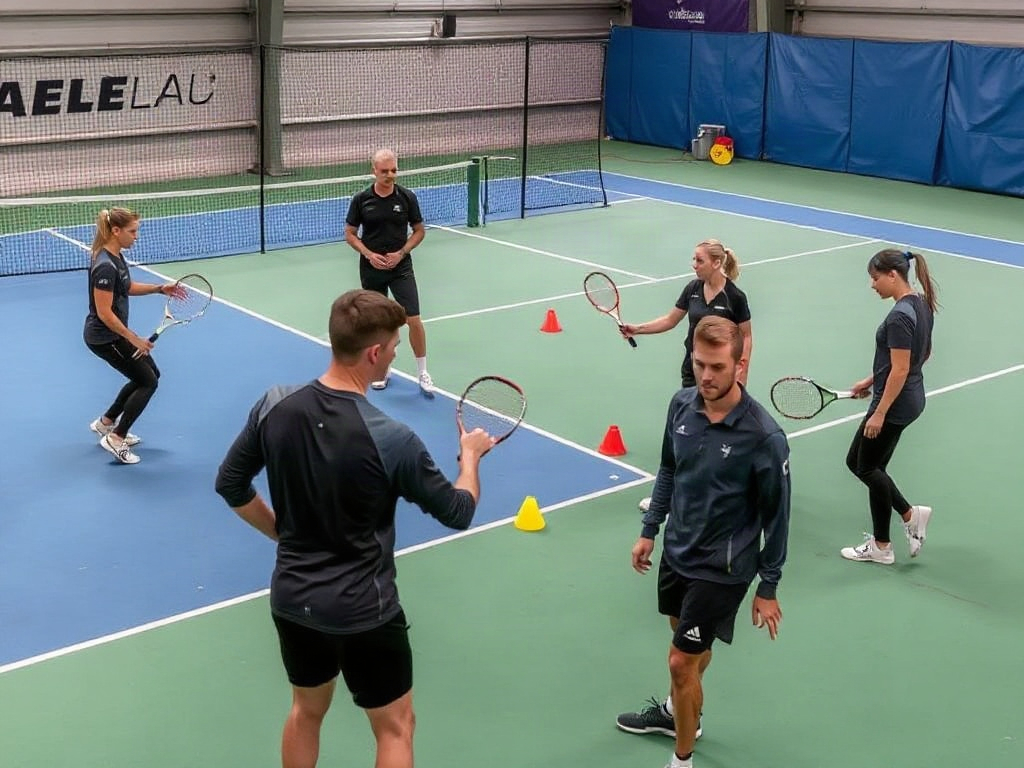
Quality courts shape the quality of the entire experience, and that is especially true in padel, where rebound behavior and surface consistency influence every rally. A good court helps players trust their movement, respond earlier to shots, and build better rhythm in all phases of play. At Padel and Performance Cwmcarn, court conditions matter because they affect not only recreational enjoyment but also the effectiveness of coaching and training. Players need a surface that feels reliable and a setting that supports focus, especially when sessions become more technical. Court access, layout, and usability all contribute to how productive a session becomes. For this reason, the courts are central to the venue’s appeal and identity.
Beyond the playing surface itself, players often value features that improve comfort and visibility during sessions. Lighting, spacing, and ease of access can all influence how confidently a player performs, particularly during longer sessions or evening play. A well-considered court environment helps reduce distractions and keeps attention where it belongs: on movement, timing, and shot execution. It also makes the venue more adaptable for mixed groups, coaching drills, and competitive play. The best padel settings manage to feel inviting while still allowing for serious work. That balance is one of the reasons players return regularly.
| Area | What Players Benefit From | Why It Matters |
|---|---|---|
| Court surface | Consistent bounce and comfortable movement | Supports better timing, control, and safer footwork |
| Lighting | Clear visibility during longer or evening sessions | Helps players track the ball more accurately |
| Layout | Easy access and sensible spacing around play areas | Improves convenience and reduces disruption between sessions |
| Environment | A focused setting for learning and match play | Encourages concentration and more productive training |
Court features can have a surprisingly large effect on player development, especially in a sport where control and tempo are closely linked. The more consistent the conditions, the easier it becomes to isolate skills and understand what is working. When courts are well maintained, players can concentrate on tactical choices rather than compensating for unpredictable rebounds or poor footing. This is particularly useful for coaching sessions, where repetition is essential and small improvements need to be visible. It also helps players of different standards share the same environment without one group compromising the experience of another. In a sport as dynamic as padel, dependable playing conditions are a real asset.
- Reliable bounce patterns that support cleaner shot execution.
- Clear sightlines that make reactions and anticipation easier.
- A comfortable playing area that suits drills, matches, and warm-ups.
- An environment that supports both social sessions and performance work.
Coaching Services and Player Development
Coaching is often where players make the biggest leap, because it turns guesswork into structure. A coach can identify habits that a player does not notice and offer corrections that lead to faster progress. In padel, that matters because the sport rewards angle control, positioning, patience, and partnership awareness just as much as raw power. The right guidance can make a player more effective in a matter of sessions, especially when the feedback is practical and specific. At a venue like this, coaching is not just an add-on; it is a core part of the development pathway. That makes it highly valuable for anyone serious about improving.
Effective coaching also supports motivation, which is important for players who want to keep progressing over time. When sessions are well planned, players leave with clear actions rather than vague advice. This helps build consistency from one session to the next and creates a stronger connection between practice and performance. Coaching can also help players understand how to train outside the court, whether that means improving footwork, strength, or reaction speed. The most useful programmes tend to combine instruction, repetition, and context so players know why a change matters. That combination can make training feel more purposeful and rewarding.
Different players need different coaching formats, and that flexibility is important for maintaining engagement. Some people learn best in one-to-one settings where the coach can focus entirely on technique and decision-making. Others prefer group lessons, where they can learn through drills, partner work, and match scenarios with peers. Younger players may need coaching that is more playful and confidence-building, while competitive players often want detailed tactical input. Match analysis can also be useful for those who want to see patterns in their own play and understand how to make adjustments. Because learning styles vary, a good coaching setup should offer more than one route to improvement.
- Private sessions for detailed technical feedback and fast correction.
- Small-group lessons for learning through shared drills and rally patterns.
- Junior coaching that builds confidence, movement, and basic shot control.
- Performance sessions focused on tactics, transition play, and match awareness.
- Match analysis for identifying recurring strengths and weaknesses.
Training Opportunities for Different Skill Levels
Training becomes more effective when it is matched to the player’s stage of development. A beginner does not need the same work as a player preparing for competition, and a structured venue should reflect that reality. The best training environments make it easier to move from basic competence to confident execution without overwhelming the player. That means lessons can begin with simple contact points and court awareness before moving into positioning, transitions, and tactical patterns. Training should feel progressive, not repetitive, and each stage should lead naturally into the next. With that approach, players can see measurable improvement while staying engaged.
For advanced players, training often needs to become more selective and intense. At that stage, the focus shifts from learning the rules to refining choices under pressure, improving movement economy, and sharpening point construction. The value of a place like Padel and Performance Cwmcarn is that it can support both ends of the spectrum without losing quality. Beginners can build a strong base, while advanced players can work on performance details that make a difference in tight matches. That flexibility matters because padel rewards both fundamentals and decision-making. Over time, the right training environment can help players become more complete and more adaptable.
Beginner Training Focus
Beginners usually need help with the basics that make the game feel less chaotic and more understandable. Grip, stance, spacing, and shot selection are often the first areas that need attention. New players also benefit from learning how to use the walls, when to slow the point down, and how to recover position after a shot. These fundamentals may seem simple, but they create the platform for everything that comes later. Good beginner training should reduce frustration and increase confidence at the same time. When that happens, players are more likely to keep returning and improving.
- Understanding padel rules and scoring.
- Learning basic forehand and backhand control.
- Developing safer movement and court awareness.
- Practising wall usage in simple rally situations.
- Building confidence in serving and returning.
Advanced Training Focus
Advanced training goes beyond consistency and begins to focus on performance under pressure. Players at this level often work on patterns that win points more efficiently, such as transition timing, net dominance, and defensive recovery. Tactical clarity becomes crucial, because the smallest decision can decide a rally or a match. Training may also include faster exchanges, split-step timing, and communication with a partner. The aim is not simply to hit better shots, but to make better choices more often. When training is designed well, experienced players can continue improving without feeling like they are repeating the same lesson.
- Pressure-based drills that replicate match intensity.
- Net play and transition patterns for stronger attacking options.
- Defensive recovery work for handling pace and awkward rebounds.
- Partner communication drills for better team coordination.
- Shot selection practice for smarter point construction.
Benefits of Playing Padel at Cwmcarn
Padel offers benefits that extend well beyond the scoreboard, and a strong venue helps unlock them more fully. The sport is highly social, which makes it attractive for people who want fitness without the isolation that sometimes comes with solo training. It is also technically engaging, so players stay mentally involved while they improve movement, reflexes, and decision-making. For many people, that combination makes padel easier to sustain as a regular habit. The environment at Padel and Performance Cwmcarn supports those benefits by making it easier to practise, learn, and play with purpose. When a venue is well organised, the sport becomes more enjoyable and more rewarding.
There are also practical benefits to choosing a venue that supports different levels and session types. Players can move from social play to structured coaching without needing to adapt to a completely different setting. This continuity helps maintain momentum and often leads to faster progress. It also makes it easier for families, clubs, and friend groups to stay involved together. The shared experience of learning and competing can strengthen commitment over time. In that sense, the venue supports both performance and participation.
- Improved agility, coordination, and overall fitness.
- Better tactical awareness and quicker decision-making.
- A social setting that encourages regular participation.
- Opportunities for both casual play and structured development.
How to Book Courts, Coaching, and Training Sessions
Booking is an important part of the player experience because it shapes how easy it is to build a consistent routine. A good system should make it simple to reserve court time, schedule coaching, and plan training around personal availability. Players often benefit from booking in advance, especially if they want preferred time slots or recurring sessions. It is also helpful to think ahead about the type of session needed, because a casual rally and a focused coaching appointment serve different purposes. The clearer the goal, the more useful the session becomes. That kind of planning supports both enjoyment and improvement.
Players should also prepare for their sessions in practical ways so they can make the most of their time on court. Arriving with the right equipment, a warm-up plan, and a sense of what they want to work on can improve the value of each visit. Coaches can offer more targeted guidance when players come with specific questions or themes. For teams or regular hitting partners, booking a consistent slot can help create rhythm and accountability. Even a simple habit like keeping notes after each session can make a noticeable difference over time. In a sport built on repetition, organisation matters.
Tips for Getting the Most from Your Padel Experience
Players often improve faster when they treat padel as a process rather than a one-off activity. That means focusing on a few clear priorities instead of trying to fix everything at once. A better approach is to work on one technical element, one tactical habit, and one physical quality at a time. This keeps improvement realistic and easier to measure. It also prevents sessions from becoming too crowded with information. Over time, small consistent adjustments usually produce stronger results than occasional bursts of effort.
Another useful habit is to think about each match or practice session as a learning opportunity. What felt easy, what felt rushed, and where did points begin to break down? Those questions can guide future training and make coaching more relevant. Players who review their own habits tend to develop faster awareness and better adaptability. The more intentional the practice, the more value each court session delivers. That mindset is especially useful for anyone who wants to move from recreational play to more serious performance goals.
- Set one technical target for each session.
- Use coaching feedback immediately in practice rallies.
- Warm up properly to move and react more effectively.
- Review matches to spot recurring patterns and mistakes.
- Stay consistent with weekly play wherever possible.
Итог
Padel continues to grow because it combines accessibility, strategy, and social energy in a way few sports can match. For players who want a venue that supports both enjoyment and development, the right setup makes all the difference. Courts that are reliable, coaching that is practical, and training that matches different levels create a complete experience rather than a fragmented one. Padel and Performance Cwmcarn brings those elements together in a way that can support first-time players, regular amateurs, and competitive athletes alike. That makes it more than a place to book time on court; it becomes a place to build skill and confidence. For anyone looking to improve their game in a structured and welcoming environment, it offers a strong starting point and a clear pathway forward.
Часто задаваемые вопросы
- What is Padel and Performance Cwmcarn?
It is a padel-focused venue offering courts, coaching, and training opportunities for players of different ages and skill levels. - Can beginners join coaching sessions?
Yes, beginners can usually take part in coaching sessions designed to teach the basics, build confidence, and introduce key padel concepts. - Are there options for advanced players?
Yes, advanced players can benefit from training that focuses on tactics, movement, shot selection, and performance improvement. - How do I make the most of a training session?
Arrive prepared, focus on one or two clear goals, and apply feedback quickly during drills and match play. - Is padel suitable for mixed abilities in one group?
Yes, padel works well for mixed abilities because coaching, drills, and match formats can be adapted to the group’s level.