 By David Brown
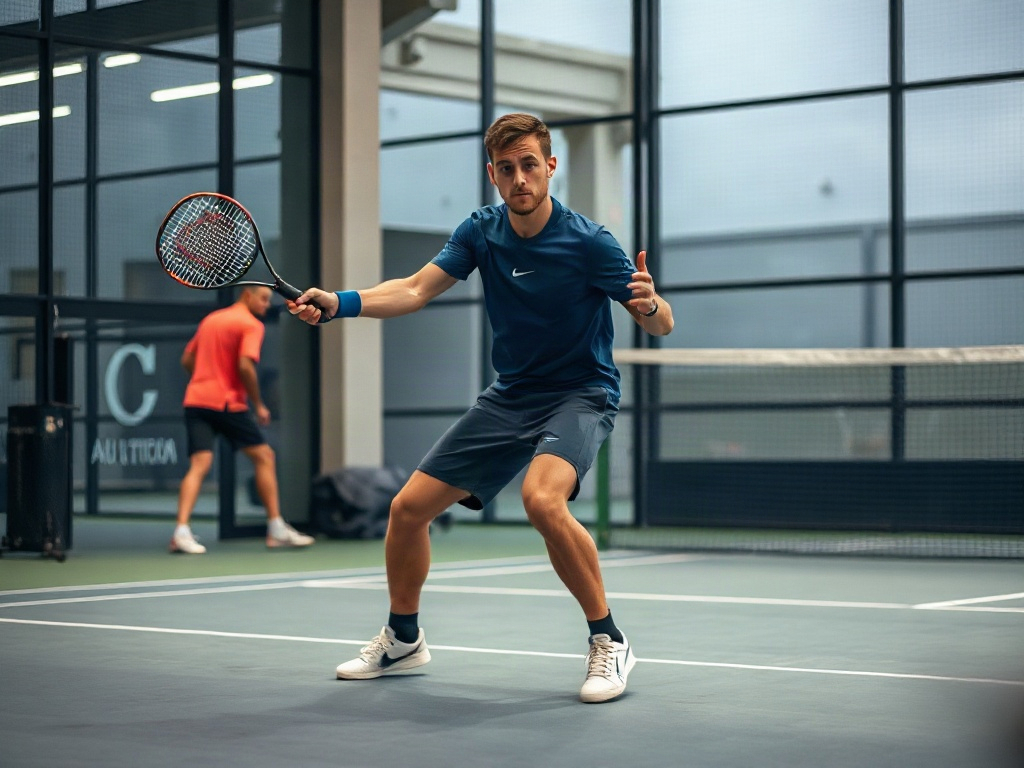
The chiquita is one of padel’s most subtle weapons, and that is exactly why it works so well. Instead of trying to blast your way through a point, you use touch, patience, and precision to make the net player uncomfortable. A well-executed chiquita can shift momentum instantly, forcing opponents to volley from an awkward position or give you a weaker reply. It is not a flashy shot, but it is often the shot that changes the shape of a rally. Players who learn to use it well gain a smarter way to neutralize pressure and take back control. In a sport where positioning matters as much as power, this shot deserves far more attention than it usually gets.
What makes the chiquita especially valuable is that it sits between defense and attack. You are not simply blocking the ball back, and you are not gambling on a winner from deep court either. Instead, you are using height, pace, and placement to attack the feet or the space just in front of the net player. That small adjustment can force a poor volley, create hesitation, or open a lane for the next ball. In practice, the shot rewards calm decision-making more than raw force. The more consistently you can place it under pressure, the more often you will be able to reset a point on your terms.
What Is a Padel Chiquita?
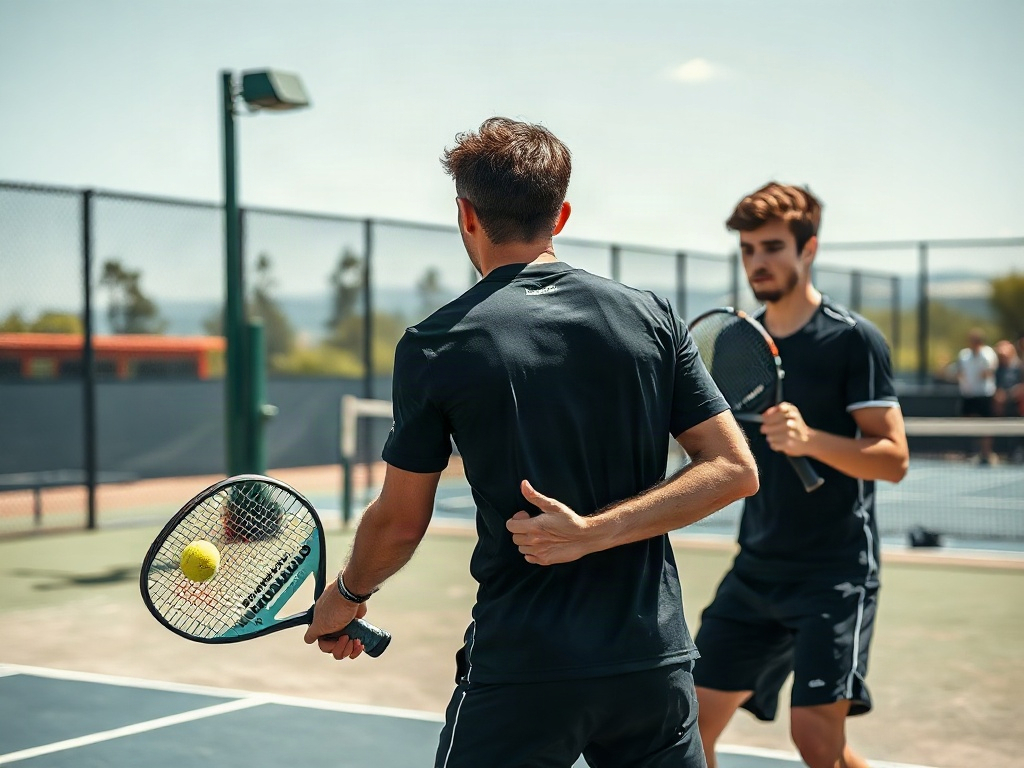
A chiquita is a soft, controlled shot played with enough touch to keep the ball low and uncomfortable for the opponents at the net. It is usually aimed toward the feet, hips, or the transition space just in front of the volleyer. Unlike a powerful passing shot, its goal is not to win the point outright but to reduce the opponent’s attacking options. The best chiquitas are precise, low-risk, and difficult to volley aggressively. They are often used when you want to slow the rally down without giving away control. In many matches, this shot becomes the bridge that helps players move from defense into a more neutral or favorable position.
It is easy to confuse the chiquita with a drop shot, but the two are not identical. A traditional drop shot is usually softer and shorter, designed to die close to the net on the opponent’s side. The chiquita is more tactical and often travels a bit farther, especially toward the opponent who is holding the net. Because of that, the shot is less about delicacy and more about disruption. It asks the receiver to hit upward from a difficult position, which is exactly what you want. When executed well, it changes the rhythm of the point without looking dramatic.
Why the Chiquita Is So Effective

The real power of the chiquita comes from its ability to disturb a team’s preferred rhythm. Net players in padel want clean volleys, quick reactions, and easy chances to pressure the ball. A low, well-placed chiquita interrupts that pattern and makes them handle a ball below comfortable striking height. That can force a defensive volley, a pop-up, or a hesitation that opens the court behind them. It also puts psychological pressure on the opponents because they must respect the possibility of another soft ball. As soon as they begin to hesitate, your options increase.
Another reason this shot works is that it creates uncertainty about your next move. When opponents know you can dip the ball into their feet, they cannot simply camp at the net and poach everything. That extra uncertainty may buy you time to recover position or prepare for a weaker reply. Even when the chiquita does not create an immediate error, it often produces a ball you can attack on the next shot. In that sense, it is a point-shaping tool rather than just a single stroke. Smart players use it to build pressure gradually instead of forcing outcomes too early.
Chiquita Technique: How to Hit It Properly
Good chiquita technique starts before contact, because the quality of the shot is heavily influenced by your preparation. Keep your grip relaxed enough to feel the ball, but stable enough to guide it cleanly. Your body should remain balanced, with your knees slightly bent and your weight under control, so that you can direct the shot rather than lunge into it. The contact point should usually be in front of your body, with a paddle angle that helps the ball travel low and controlled. You do not need a huge swing, and in fact an overly long motion often ruins the touch. The best version of this shot feels compact, calm, and purposeful.
Footwork matters just as much as the swing itself. If you arrive late, the ball tends to float or come off your paddle with too much pace. If you arrive early and set your feet, you can choose the exact direction and depth with far more accuracy. Many players benefit from thinking of the shot as a guided push rather than a hit. The paddle should travel smoothly through the ball, with enough follow-through to maintain control but not so much that you lose finesse. This combination of balance and touch is what separates a useful chiquita from a predictable soft ball.
Several technical errors show up again and again when players attempt the chiquita. One of the most common is swinging too hard, which turns a controlled tactical shot into an easy ball for the opponents. Another issue is poor body alignment, especially when the shoulders open too soon and the shot leaks wide. Some players also telegraph their intention by taking a large backswing or by pausing too obviously before contact. Misjudging the depth is another frequent problem, because a ball that lands too short may be punished immediately. Finally, many players forget that the shot is supposed to stay low, and they lift it enough to invite an aggressive volley.
To avoid these mistakes, focus on simplicity and repeatable mechanics. Keep your preparation short, your eyes on the target, and your contact clean. If you are unsure about power, reduce it rather than adding more. A chiquita that is slightly softer is usually more effective than one that is overly ambitious. Training the shot with discipline will help you make better decisions in real rallies. Over time, your body learns to deliver the same calm motion even when the point is fast and tense.
When to Use the Chiquita
Timing is what turns this shot from a neat idea into a match-winning habit. The best moment to play a chiquita is often when your opponents have established the net and are waiting to pounce on a weaker reply. If you try it when they are already backed off the line, the shot loses much of its value. You want to read the court position carefully and identify the ball that lets you strike with enough control. The pace of the rally matters too, because a sudden change in tempo can be more effective than a predictable exchange. In short, the shot works best when it fits the moment rather than forcing the moment to fit the shot.
Good timing also depends on whether you are under pressure or transitioning forward. From defense, the chiquita can buy a little breathing room by forcing the opponents to volley down by their shoes. From a neutral rally, it can be used to disrupt rhythm and open the middle of the court. From an attacking position, it can help maintain control without overcommitting to a winner. The key is to read body language, court spacing, and ball height together. Players who see the shot early usually execute it with far more confidence.
There are several situations in which the chiquita becomes especially effective, and recognizing them quickly improves your decision-making. It is strong when opponents are standing close to the net and waiting to intercept a looser ball. It is also useful when the rally has become fast and you need to slow the tempo without surrendering the point. Another prime moment is when you want to create a low contact ball that sets up your next shot rather than finishing the point immediately. The shot can also work well if one opponent is slightly off balance or if there is a gap between the net players. Those small opening windows are often enough to make the shot worthwhile.
Practice Drills for the Padel Chiquita
Practice is where the chiquita becomes reliable, because touch shots improve most through repetition with intention. A good training session should include both repetition and decision-making so that you learn not only how to hit the shot, but when to choose it. Start with controlled feeding and target work before moving into live-rally scenarios. As your confidence grows, add movement, pressure, and changing court positions. The goal is to make the shot feel natural enough that you can use it without hesitation in matches. A player who drills only the motion, but not the timing, usually struggles to apply it under stress.
- Solo shadow drill: rehearse the swing path, balance, and contact position without a ball to build smooth mechanics.
- Target placement drill: aim at cones or marked zones near the opponent’s feet to improve accuracy and depth control.
- Partner feed drill: have a partner send moderate balls from the baseline while you practice soft, low chiquitas.
- Transition drill: begin from defense and move forward after the shot to simulate real point patterns.
These drills are most effective when they are structured and measured. Instead of simply hitting many balls, focus on a clear target and track how often you hit it. Try varying the angle, depth, and amount of pace you use so that you learn how small adjustments affect the result. You should also practice against different feeds, because live points rarely give you identical setups. Once your consistency improves, start adding movement and recovery steps immediately after the shot. That will help you prepare for the next ball, which is where the chiquita often becomes truly dangerous.
| Drill Type | Main Focus | Best Benefit |
|---|---|---|
| Shadow Practice | Form and paddle path | Builds muscle memory without pressure |
| Target Drill | Placement and depth | Improves accuracy under controlled conditions |
| Partner Feed Drill | Timing and touch | Teaches adjustment to real ball speed |
| Pressure Drill | Decision-making in rallies | Helps transfer the shot into match play |
To get the most out of practice, rotate through the drills rather than staying too long on one variation. The chiquita is a shot of feel, but that feel gets stronger when it is linked to repetition and feedback. If you notice that your balls are floating too high, shorten the swing and soften the contact. If your shots are landing too short, adjust the contact point or add slightly more forward intent. Video analysis can also help because the shot is often more subtle than players realize in the moment. Small mechanical improvements can create a big tactical difference over time.
Tactical Use in Match Play
In match play, the chiquita is most valuable when it fits into a larger tactical plan. It should not be used randomly just because it feels safe or clever. Instead, it works best as part of a sequence that includes lobs, controlled volleys, and changes in tempo. For example, a chiquita that forces a weak volley may allow you to step in and attack the next ball. Or it may provoke a more defensive response that gives you time to recover position. The shot becomes especially effective when your opponents start to anticipate power and you answer with placement instead.
Strong pairs often use the chiquita to manage momentum rather than chase immediate winners. If the opponents are dominating the net, a soft, low ball can change the rhythm enough to stop their advance. If your own team is stretched, it can create a temporary reset and reduce the pressure on the backcourt player. It also works well alongside a lob because both shots can force the net player to hesitate. The best tactical use comes from variation, not repetition. When opponents cannot predict whether you will go soft, high, or hard, they must defend more cautiously.
- Use it to break rhythm: interrupt an opponent’s volley pattern before they settle into a comfortable tempo.
- Use it to create weak replies: aim for the feet so the return is likely to sit up or lose pace.
- Use it to support recovery: give yourself time to reset your position after a defensive phase.
- Use it to set up the next shot: think two balls ahead rather than focusing only on the current contact.
Итог
The chiquita is one of those padel shots that rewards intelligence more than force, which is why it becomes so valuable as players improve. It works because it changes the opponent’s contact height, disrupts rhythm, and creates uncertainty at the net. Good technique gives the shot its shape, good timing gives it its purpose, and practice gives it consistency. When those three elements come together, the chiquita becomes a reliable tactical tool rather than a novelty. It can protect you under pressure, open the court, and create opportunities that power alone cannot produce. Learning to trust it is part of learning to control the pace of a match.
If you want the shot to become part of your regular game, train it with a clear target and a clear intention. Focus on balance, touch, and decision-making, not just on making the ball go softly over the net. Build confidence in drills, then test that confidence in points where the pressure is real. Over time, you will begin to see more situations where the chiquita is the smartest answer available. That awareness is what turns a basic stroke into a tactical advantage. Master the shot patiently, and it will quietly improve your entire padel game.
Часто задаваемые вопросы
- What is a chiquita in padel?
A chiquita is a soft, low shot aimed at the opponents’ feet or into the space just in front of them. Its purpose is to make net players uncomfortable and reduce their ability to attack the next ball. - When should I use the chiquita?
Use it when your opponents are positioned at the net and you need to slow the point down, disrupt their rhythm, or force a weaker volley. It is especially useful during transition or when you want to regain control. - Is the chiquita the same as a drop shot?
Not exactly. A drop shot is usually shorter and softer, while a chiquita is more tactical and often aimed to pressure the net player rather than simply make the ball die short. - How can I practice the chiquita effectively?
Start with shadow swings and target drills, then move to partner-fed balls and pressure-based rally drills. Focus on touch, balance, and placement rather than power. - What is the biggest mistake players make with the chiquita?
The most common mistake is hitting too hard, which removes the subtlety of the shot and gives the opponents an easy ball to attack. Poor timing and floating the ball too high are also common errors.