 By David Brown
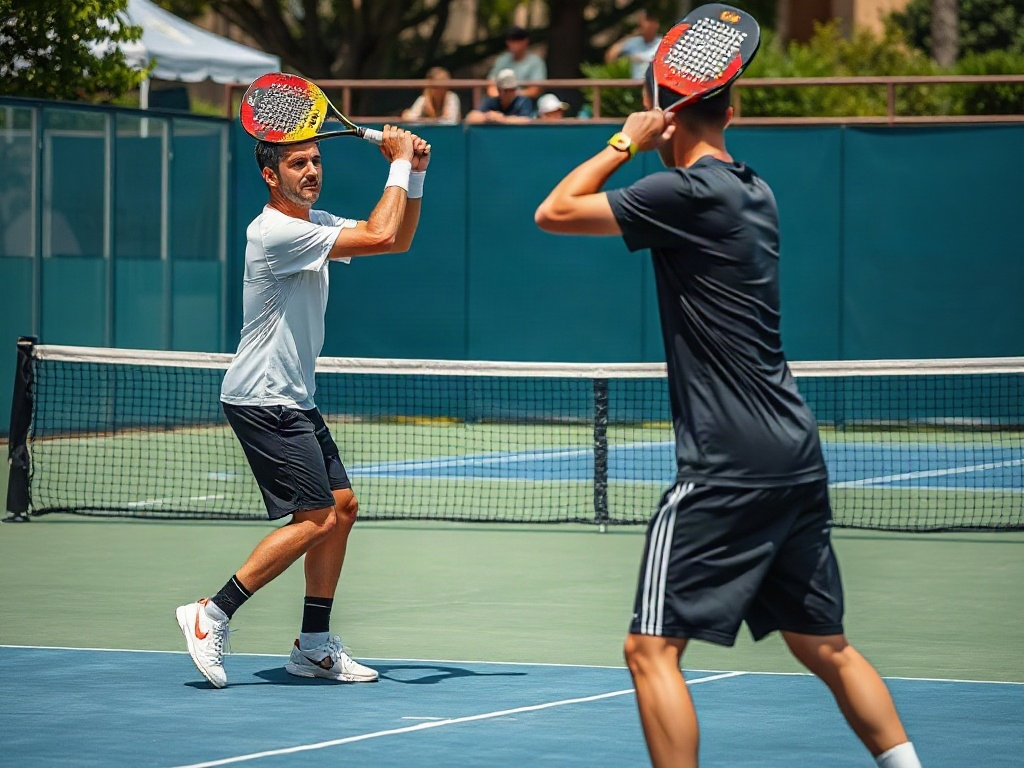
In padel, the overhead game is where control, patience, and ambition collide, and few comparisons are as useful as bandeja versus vibora. At first glance, they can look similar because both are played from above the head and both are used to deal with lobs, yet their tactical goals are very different. One is built to protect your position and keep the rally stable, while the other is designed to increase pressure and create discomfort for the opponents. Knowing when to choose one over the other can completely change how confidently you handle the net battle. If you want to improve your decision-making rather than simply hit harder, this distinction matters far more than it may seem. For players who want to win more points through smarter patterns rather than risky shots, understanding these two overheads is essential.
What Is a Bandeja?

The bandeja is one of the most important overhead shots in padel because it helps you maintain control without overcommitting. It is usually hit with a compact motion, a high contact point, and controlled slice, allowing the ball to travel deep while staying relatively safe. Instead of trying to finish the point outright, the bandeja is often used to keep opponents under pressure and preserve your net position. This makes it a strategic shot rather than a purely attacking one, which is why it appears so often in high-level play. Many players rely on it when the lob is good enough to force an overhead but not ideal for a full power smash. In that sense, the bandeja is less about brilliance in one stroke and more about managing the point intelligently.
The bandeja is usually played with a slightly open body position and a relaxed, controlled swing. The contact point is high and slightly in front, which helps the player direct the ball with precision while avoiding unnecessary risk. Slice is a major component because it keeps the ball lower after the bounce and makes the return awkward for opponents. The shot often lands deep near the back glass or side glass, forcing the defending team to play from an uncomfortable position. Players use it to stay at the net rather than to rush in and end the rally immediately. That balance of control and pressure is what makes the bandeja such a reliable tool in padel strategy.
- Used primarily to maintain net position and control the rally.
- Played with slice for a lower, more difficult bounce.
- Requires timing and placement more than maximum power.
- Best when the lob is playable but not ideal for a full attack.
What Is a Vibora?
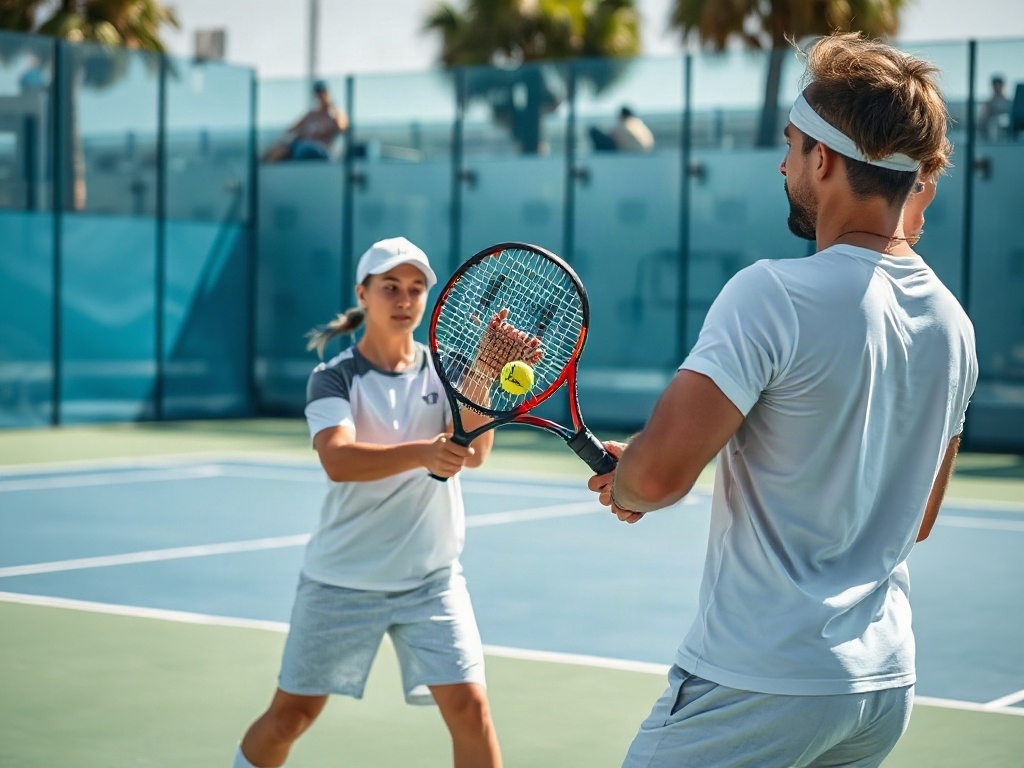
The vibora is a more aggressive overhead shot that adds pace, spin, and pressure to the rally. While it shares some similarities with the bandeja, the vibora is usually struck with a sharper slicing motion that creates a faster, more dangerous trajectory. The goal is often to make the ball difficult to block or control, especially by sending it toward the glass with enough speed and spin to force a weak response. It is a shot that can shift momentum quickly because it asks much more from the defender than a simple controlled overhead. Players often choose it when they have enough time and balance to accelerate through the ball with confidence. Because of that, it is commonly seen as the more attacking of the two options.
Compared with the bandeja, the vibora places greater demands on both technique and timing. The swing path tends to be more aggressive, and the finish often looks more explosive, even if the shot is still controlled rather than a full smash. It is especially effective when the lob sits high enough to allow for a clean strike and when the player can shape the ball with heavy side spin. That spin can make the rebound unpredictable, which is exactly why opponents often struggle to produce a strong reply. In tactical terms, the vibora is a way to force stress onto the opposing pair without necessarily going for a direct winner. It is a pressure shot, and when executed well, it can turn defense into a powerful attacking opportunity.
The vibora uses a more forceful swing than the bandeja and often includes stronger side spin. The contact is still high, but the intention is to drive the ball with more speed and a nastier angle after the bounce. Many players aim the shot toward the side fence or the corner to increase difficulty for the returner. Because of its pace and spin, it can cause rushed blocks, weak lobs, or awkward rebounds off the glass. It is not simply a harder bandeja, but a distinctly more aggressive overhead with its own identity. When performed correctly, it becomes a weapon for creating chaos rather than just keeping the point under control.
- Designed to apply more pressure and provoke a weak response.
- Uses heavier spin, especially side spin, to disturb the bounce.
- More aggressive in speed and angle than the bandeja.
- Best when the player has balance, time, and a high enough lob to attack.
Bandeja vs Vibora: Main Differences
Although both shots are overheads used against lobs, their tactical goals separate them clearly. The bandeja is primarily about control, while the vibora is about attacking the opponent with more pace and spin. The bandeja usually prioritizes a safe, deep ball that keeps the player at the net, whereas the vibora tries to create a more difficult return and open up a point-winning opportunity. Risk also plays a role, because the bandeja is generally more forgiving when the lob is not perfect, while the vibora requires better preparation and contact. Power alone does not define the difference, since both shots can be hit with a range of speeds, but the intention behind them changes the entire shape of the rally. In practical terms, choosing between them is often less about what looks impressive and more about what best fits the moment.
| Aspect | Bandeja | Vibora |
|---|---|---|
| Main purpose | Control, stability, net retention | Pressure, attack, forcing weak replies |
| Power | Moderate and controlled | More aggressive and faster |
| Spin | Slice with a controlled trajectory | Heavier slice and side spin |
| Risk level | Lower | Higher |
| Best use | Manageable lobs, safe transition play | Attackable lobs, pressure situations |
In match play, the difference becomes even clearer when you watch how the opponents react. A bandeja often keeps the rally structured and allows the player to stay organized at the net. A vibora, by contrast, can push opponents deeper, rush their timing, and force them to defend in a more uncomfortable way. The choice between the two depends not only on the ball but also on your body position and the scoreline. If you are slightly out of balance, the bandeja is usually the smarter option because it helps you recover without losing control. If you are set, composed, and facing a high enough lob, the vibora can be the shot that changes the tone of the point.
When to Use a Bandeja
The bandeja is the right choice when control matters more than immediate aggression. If the lob is deep but still comfortable enough to strike safely, the bandeja allows you to stay at the net without taking unnecessary risks. It is also ideal when you want to reduce errors and keep the rally on your terms, especially during tight games where consistency matters. Many players use it when they are slightly off balance or when the incoming lob does not justify a full attacking swing. The shot is especially useful in transitional phases, where the goal is to stabilize your positioning rather than gamble for a winner. In short, the bandeja is often the smarter answer when the point requires discipline more than brilliance.
- Use it when the lob is manageable but not ideal for attack.
- Use it when maintaining net position is the top priority.
- Use it when you want to keep errors low under pressure.
- Use it when you are not fully set for a more aggressive overhead.
When to Use a Vibora
The vibora becomes the better choice when you have enough time, balance, and height on the ball to attack confidently. It works especially well against lobs that give you a clear contact point and enough space to accelerate through the shot. If your opponents are defending passively or struggling with glass rebounds, the vibora can increase pressure immediately. It is also effective when you want to force a weak block or create a ball that comes back low and awkward, making the next shot easier to finish. In aggressive doubles play, the vibora can be a valuable momentum-shifting tool because it turns a neutral exchange into an uncomfortable one for the opposition. The key is to use it with purpose rather than as a default response to every lob.
- Use it when the lob is high enough to attack cleanly.
- Use it when you want to create a harder, more awkward return.
- Use it when your body position is balanced and prepared.
- Use it when the opponents are vulnerable and under pressure.
How to Choose Between Bandeja and Vibora
Choosing correctly starts with reading the lob, but it does not end there. Ball height, depth, and your own positioning all influence whether the bandeja or vibora is the better option. A slightly shorter or more awkward lob may call for the safer, more controlled bandeja, while a higher and slower lob can invite a more assertive vibora. Your score situation matters too, because at critical moments the lower-risk shot may be worth more than the more spectacular one. You should also consider where your opponents are standing and whether they are expecting pressure or recovery. The best players do not choose based on habit alone; they choose based on what the rally actually demands.
- Check the height and depth of the lob before deciding.
- Assess whether you are balanced and ready to accelerate.
- Consider whether control or attack is more valuable in the moment.
- Look at opponent positioning and whether they are defensive or set.
Common Mistakes to Avoid
One of the biggest mistakes players make is treating the bandeja and vibora as interchangeable. If you hit both shots with the same intention, you lose the tactical advantage that makes each one useful. Another common error is choosing the vibora when the ball is too low, which often leads to rushed contact and a compromised shot. Players also sometimes hit the bandeja too flat, reducing its effectiveness and making it easier for opponents to attack. Footwork can be overlooked as well, yet poor preparation often forces a poor overhead regardless of the shot selected. When those details break down, even a technically sound player can lose control of the point.
- Do not play the vibora from a low or awkward contact point.
- Do not hit the bandeja so flat that it becomes predictable.
- Do not choose based on emotion instead of the ball in front of you.
- Do not neglect footwork, balance, and preparation before contact.
Practice Tips to Improve Both Shots
Improving these shots requires more than repeating the same overhead over and over. You need to train timing, positioning, and decision-making together so that each shot becomes a tactical choice rather than a guess. Start with drills that emphasize clean contact and consistent placement, then gradually add pressure and movement to simulate real match conditions. It also helps to practice with a partner who varies the lob height and depth, because that forces you to read the ball and choose quickly. Repetition builds confidence, but smart repetition builds usable match skills. The more your training reflects actual point patterns, the easier it becomes to know when a bandeja should calm the rally and when a vibora should intensify it.
A strong overhead session should include targets, movement, and decision-making under fatigue. For the bandeja, focus on hitting deep, controlled balls with reliable slice while maintaining stable recovery steps afterward. For the vibora, work on sharper spin and more aggressive placement without sacrificing balance or accuracy. You can also alternate between the two shots on different feeds to train quick judgment under changing conditions. This kind of practice helps the shots become part of your tactical identity rather than isolated techniques. Over time, you will start recognizing patterns faster, which makes your overheads more effective in real points.
- Practice deep target zones for the bandeja.
- Practice sharper angled placements for the vibora.
- Alternate shot choices based on different lob heights.
- Finish each repetition with recovery movement to the net.
Итог
The bandeja and vibora may appear similar at first, but they serve very different purposes in padel. The bandeja is the controlled, stabilizing overhead that helps you protect your position and reduce risk, while the vibora is the sharper, more aggressive shot that aims to disturb opponents and force weaker replies. Both are valuable, and neither should be treated as a backup version of the other. The most effective players understand how to read the lob, judge their body position, and select the shot that best fits the tactical moment. If you develop both skills, you gain far more than variety; you gain control over how rallies unfold. That versatility can make a noticeable difference in both confidence and results.
Часто задаваемые вопросы
- What is the main difference between bandeja and vibora?
The bandeja is more controlled and focused on maintaining net position, while the vibora is more aggressive and designed to create pressure. - Which shot is easier to learn?
Many players find the bandeja easier to learn first because it relies more on control, timing, and placement than on explosive attack. - When should I use a bandeja instead of a vibora?
Use a bandeja when the lob is manageable, when you want to reduce risk, or when staying organized at the net is more important than attacking. - Is the vibora always the better attacking shot?
No, because the vibora is only effective when the ball is high enough and you are well balanced; otherwise, the bandeja is often the smarter option. - Can beginners learn both shots?
Yes, but it is usually best to master the bandeja first and then add the vibora once timing, footwork, and overhead control improve.