 By David Brown
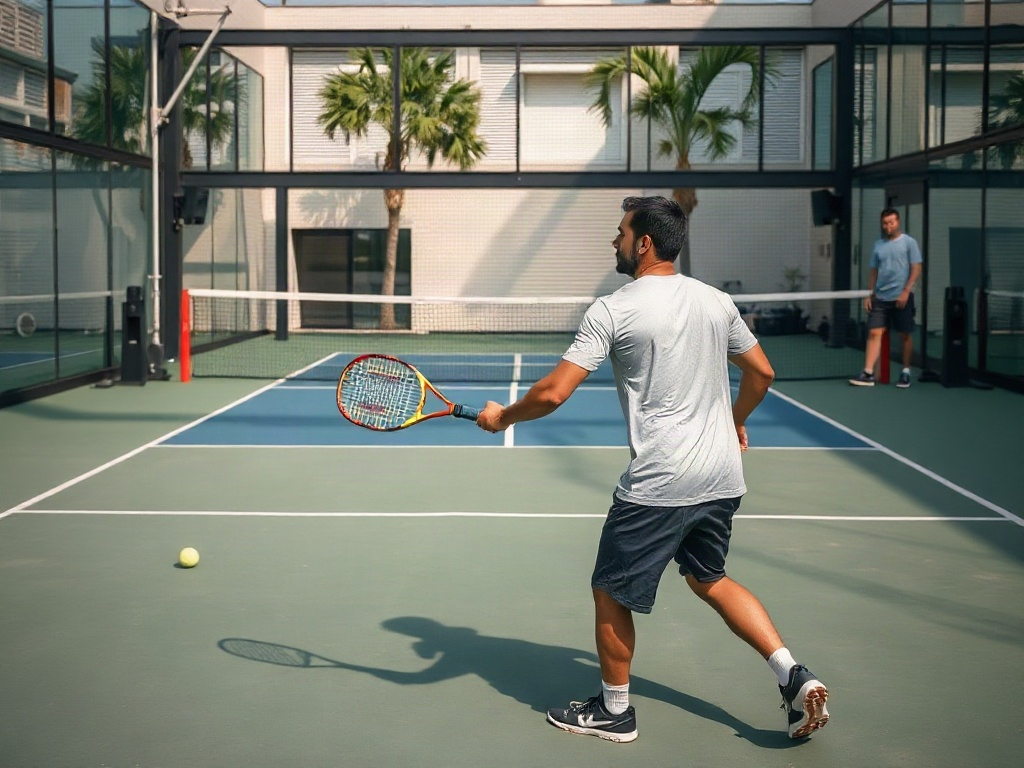
Consistency is often the quiet separator between players who look sharp in practice and players who actually hold their level when a match starts to tighten. At the intermediate stage, most padel players already have enough technique to win points, but the real challenge is doing it repeatedly under changing pace, pressure, and positioning. One clean volley or smart lob is never the issue; the issue is whether you can repeat that decision five, ten, or fifteen times without losing structure. The drills in this article are built for that exact purpose, helping you turn flashes of control into a reliable match pattern. Improving consistency does not mean playing cautiously all the time; it means learning how to keep your best habits alive when the rally becomes messy. If you want fewer unforced errors, better point construction, and more confidence in key moments, the answer is in training with purpose rather than simply hitting more balls.
Why Consistency Matters in Padel
Consistency changes the way a match feels because it reduces the amount of free points you hand to your opponent. When you can keep the ball in play with quality, you force the other side to earn every point, and that pressure usually leads to mistakes from them instead of you. For intermediate players, this is especially important because many matches are decided not by spectacular winners, but by who survives the middle phase of the rally with better discipline. Consistent players also make better tactical decisions because they are not constantly recovering from self-inflicted errors. That creates a calmer mindset, and a calmer mindset usually leads to cleaner shot selection. In other words, consistency is not just technical; it is strategic, emotional, and physical all at once.
Another reason consistency matters is that it gives your game a stable identity. If your baseline rallies, volleys, and defensive lobs all hold up under pressure, your partner can trust your positioning and timing more easily. That trust improves teamwork, which is critical in padel because doubles coordination is part of almost every point. Consistency also makes your strengths more visible, because you stop canceling out good shots with avoidable errors. Instead of forcing low-percentage winners, you start building points with intention and patience. The result is a game that feels more controlled, more mature, and much harder to disrupt.
Warm-Up Routine Before Consistency Drills

A good warm-up is not just about getting loose; it is about preparing your body to repeat quality movements with control. Before any consistency-focused session, start with mobility work that opens the shoulders, hips, and ankles, because padel demands frequent rotation and quick stops. Then move into light footwork so your first competitive swings are not happening from stiff legs or poor spacing. Add short, controlled volleys and gentle baseline exchanges to wake up touch and timing without rushing into intensity too early. The goal is to enter the session with rhythm, not to prove anything in the first five minutes. When the warm-up is structured properly, the drills that follow become more productive and easier to measure.
During the warm-up, pay attention to how your body organizes itself before each strike, because consistency starts with posture and balance. If your feet are late or your shoulders are tight, your contact point will usually suffer even if your technique is sound. Use the warm-up to rehearse calm breathing, soft hands, and clean recovery steps after each ball. Communication with your partner should also begin here, since many later mistakes come from hesitation rather than poor mechanics. The best warm-ups are simple, repeatable, and honest about what your body feels like on that day. If something feels off, adjust early instead of trying to force precision too soon.
Drill Focus Areas for Intermediate Players
The drills below are organized around the most common consistency challenges intermediate players face in real matches. Some drills improve ball control, while others focus on recovery, decision-making, or emotional steadiness under pressure. This matters because match consistency is never caused by one skill alone; it is usually the result of several small habits working together. A player with good hands but poor footwork will still leak errors, just as a player with strong tactics but weak communication will lose structure in key moments. These drills can be used in solo practice, partner practice, or coached sessions, depending on your training setup. The best results come when you track what each drill is actually teaching instead of treating every session as random repetition.
- Shot stability under pressure
- Footwork efficiency and recovery speed
- Better decision-making in neutral rallies
- Cleaner transitions from defense to attack
- Communication and teamwork in doubles patterns
Drills to Improve Match Consistency
Each drill in this section targets a different piece of match reliability, and the best way to use them is to treat them as building blocks rather than isolated exercises. You do not need to master all ten in one week, and in fact, trying to do so usually lowers the quality of your work. Instead, choose a small number of drills that match your biggest weaknesses and repeat them with clear scoring or target goals. As you work through them, notice not only whether the ball goes in, but also how stable your balance, spacing, and recovery feel. That is where real progress lives, because consistency is built from repeatable habits, not lucky streaks. Over time, the drills should make your normal rallying pattern feel more predictable and less fragile.
Cross-court control rally
This drill is one of the simplest ways to improve rhythm and depth without sacrificing ball quality. Rally cross-court with your partner and aim for a specific target zone rather than just keeping the ball alive. Keep the speed moderate so that spacing, timing, and contact point remain the priority. The main objective is to build a repeatable exchange that feels controlled even when the ball speed changes slightly. If the rally becomes wild, reset the tempo instead of chasing harder shots. This drill teaches patience, touch, and a cleaner sense of when to accelerate.
Volleys to deep targets
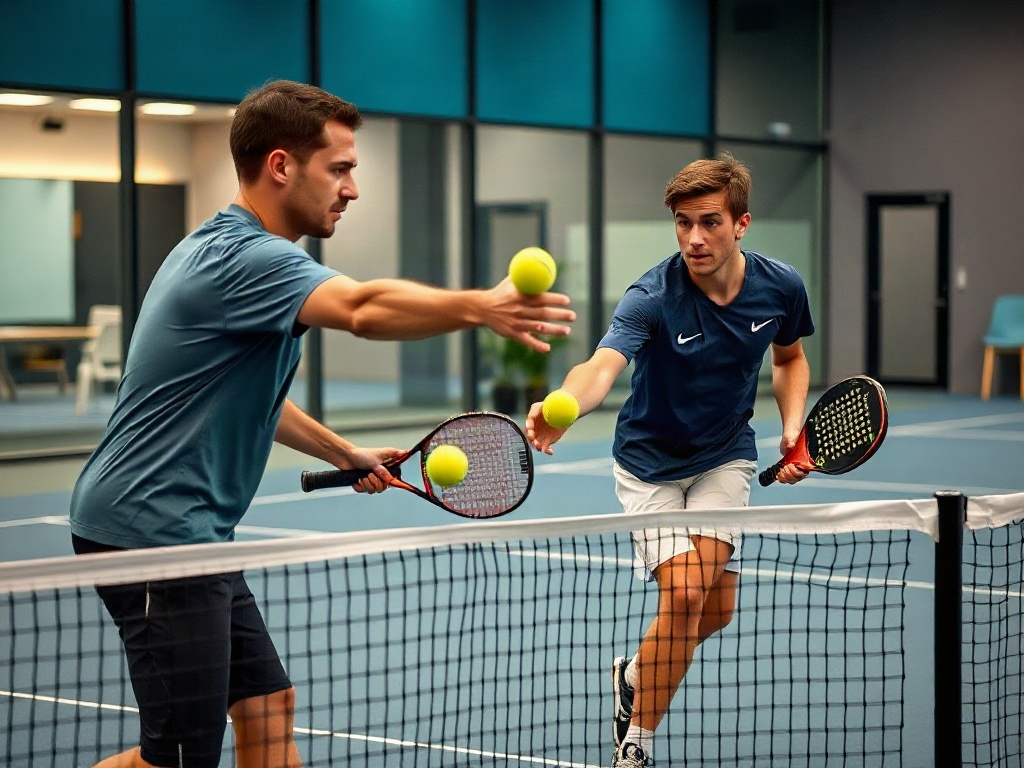
At the net, many intermediate players miss by overhitting or by opening the racket face too early. In this drill, one player feeds balls to the net player, who must place volleys deep into the court or toward the corners. The focus is not power, but firmness with control and enough depth to prevent easy counterattacks. Keep the swing compact and the body stable so the ball goes where you intend rather than where your momentum takes it. If your volleys begin to float, reduce the pace and sharpen the contact. This exercise improves both confidence and placement in one of the most important areas of padel.
Defensive lobs under pressure
Good lobs are often the difference between surviving a difficult point and losing control of the net entirely. In this drill, receive low or awkward balls and respond with high, deep lobs that buy time and reset the rally. The challenge is to lift the ball with control instead of simply throwing it up and hoping for the best. Focus on using your legs and body alignment to generate height without losing accuracy. After each lob, recover quickly and return to a balanced defensive position. When done regularly, this drill makes your defensive choices much calmer and more trustworthy.
Wall rebound consistency drill
Many players struggle when the ball comes off the back wall because they react late or swing too aggressively. This drill trains your ability to read the bounce early and manage the ball with patience after the rebound. Practice repeated returns off the glass, keeping your preparation early and your hands relaxed. The goal is not to crush the ball, but to control depth and direction while staying composed. If your timing breaks down, slow the rhythm and reconnect with clean spacing. Over time, the wall stops feeling like a problem and starts feeling like a normal part of the rally.
Consistency Drill Comparison
The drills can feel similar at first glance, but each one emphasizes a slightly different match skill, and knowing that difference helps you train more efficiently. A player who wants fewer errors on defense should not spend the whole session on attacking patterns, just as a player who struggles at the net should not avoid volley work. Use the table below to match the drill to the outcome you want most. This makes your sessions more focused and helps you measure improvement more clearly. It also prevents you from overtraining one part of the game while neglecting another. In practice, the best sessions usually combine one control-based drill with one pressure-based drill so the work feels both technical and realistic.
| Drill | Main Benefit | Best Use Case |
|---|---|---|
| Cross-court control rally | Rhythm, depth, and rally stability | Reducing unforced errors from the baseline |
| Volleys to deep targets | Net accuracy and control | Improving finishing quality without overhitting |
| Defensive lobs under pressure | Resetting points from difficult positions | Handling pressure when pinned at the back |
| Wall rebound consistency drill | Timing and confidence with glass rebounds | Building comfort in defensive exchanges |
Transition from defense to net
This drill helps you connect survival with initiative, which is one of the most valuable match skills in padel. Start from the baseline, defend a few balls, and then move forward behind a shot that gives you a realistic chance to take space. The emphasis should be on choosing the right moment to advance rather than rushing forward because the idea sounds aggressive. Good transitions depend on balance, timing, and disciplined shot selection. If you move too early, you lose control; if you move too late, you give away territory. Repeated practice here helps you turn defense into a platform for gaining the net instead of just surviving the point.
Third-ball placement drill
This drill improves first attacking patterns without asking you to force winners. Simulate serve, return, and third-ball situations, and use target zones that reward placement over raw power. The biggest gain comes from learning how to start the point with a controlled intention rather than a desperate swing. Keep track of where your third balls land and whether your partner is positioned to support the next shot. That awareness makes your attack more intelligent and less predictable. Once you can place the third ball consistently, your overall point construction becomes much more reliable.
Smashes with control
Overheads can look impressive, but in matches they only help if they are reliable and tactically sound. This drill should include bandejas, víboras, and controlled smashes aimed at specific zones rather than at maximum speed. The point is to make your overheads repeatable, not just powerful. Focus on contact quality, body position, and shot selection so that each overhead supports your next move. If the ball is sitting up nicely, you can attack more; if it is awkward, choose control over force. That habit alone can drastically reduce costly overhead errors.
Recovery footwork patterns
Consistency is often lost not because of the swing itself, but because the player arrives to the ball in a poor position. In this drill, combine split steps, lateral shuffles, and recovery steps after each stroke so your movement becomes part of the shot process. The focus is on getting back to the correct space quickly and staying balanced for the next exchange. When your footwork improves, your racket work usually becomes calmer as well. This is because good spacing gives you more time and better contact quality. Many players notice their error rate drops simply because they start arriving earlier and more prepared.
Pressure point simulation
Training consistency without pressure is only half the job, because matches rarely feel like practice rallies. This drill uses short points with score-based consequences, limited shot choices, or small competitive penalties to create stress. The purpose is to test whether your technical habits survive when the brain wants to rush. Keep your routines simple, breathe deliberately, and focus on the same targets you used in calmer drills. The more often you practice pressure, the less likely you are to unravel in tight moments. That emotional steadiness can be just as valuable as any technical improvement.
Partner communication drill
Padel is a doubles game, so consistency also depends on how well you and your partner stay connected during the point. In this drill, play structured exchanges where both players call balls, switches, and target zones out loud. Clear communication reduces hesitation and prevents the kind of confusion that leads to soft errors or bad spacing. It also builds trust, which is essential when both players need to make quick decisions in crowded moments. Use simple language and consistent signals so communication remains automatic under pressure. When the partnership becomes more organized, the whole team usually becomes more stable.
How to Structure a Consistency Training Session
A productive training session should move from preparation to precision, and then from precision to pressure. Begin with warm-up work, move into one or two technical drills, and finish with a pressure-based exercise or match-like situation. This structure allows your body to settle into rhythm before you ask it to perform under stress. It also keeps the session focused, which is important because trying to fix every problem at once usually leads to diluted work. The best sessions are not the longest ones; they are the ones with a clear purpose and measurable outcomes. If you track error counts, rally length, target success, or shot quality, you will understand whether the session actually improved your game.
- Warm up with mobility, footwork, and light rallying
- Choose one control drill and one pressure drill
- Track errors, target accuracy, and recovery speed
- Finish with points or game situations that resemble matches
Common Mistakes to Avoid
One of the most common mistakes is trying to train too fast before control has been established. Players often confuse pace with progress, but a rushed drill usually teaches bad habits faster than it teaches skill. Another frequent problem is overemphasizing power, especially in shots that should be placed with accuracy and margin. Footwork is also neglected more often than it should be, even though poor movement creates many of the errors players blame on technique. Some players avoid pressure drills because they feel uncomfortable, yet those drills are exactly what make match consistency real. Finally, drills that do not resemble actual match patterns may feel useful but fail to transfer when the score gets tight.
- Do not increase speed before control is solid.
- Do not chase winners when the rally calls for margin.
- Do not ignore recovery steps after each shot.
- Do not avoid pressure situations in training.
- Do not practice patterns that never appear in matches.
Итог
Match consistency in padel is built through repetition, intelligent shot choice, and practice that includes pressure rather than avoiding it. The drills in this article are designed to help intermediate players reduce unforced errors, improve court positioning, and make better decisions when the rally becomes uncomfortable. If you use them regularly, you will start noticing that your game feels less volatile and more dependable from point to point. That reliability matters because it gives you a stronger platform for attack without forcing reckless risks. Progress will come fastest when you train with clear goals and honest feedback, rather than just hitting more balls for the sake of activity. Use these drills often, and your matches will begin to feel more controlled, more competitive, and much easier to manage.
Часто задаваемые вопросы
- How often should intermediate players practice these padel drills?
Ideally, two to four times per week, depending on your match schedule, recovery, and overall training load. Shorter, focused sessions often work better than occasional long sessions because they help consistency become habitual. If you play many matches, keep the drill work targeted so it supports performance rather than adding fatigue. - Which drill is best for reducing unforced errors?
Cross-court control rallies are especially effective because they improve rhythm, spacing, and safe contact. Pressure point simulations are also valuable because they expose the mistakes that appear when tension rises. Using both together gives you control in practice and control under stress. - Should I focus more on defense or attack to improve consistency?
Most intermediate players benefit from improving defensive stability first, because it reduces the number of easy points lost. That said, attack still matters, especially when it is based on good positioning and smart placement. The best approach is to strengthen defense while building reliable attacking patterns in parallel. - Can these drills be done without a coach?
Yes, many of them can be done with a partner, and several can also be adapted for solo practice. A coach can help correct details, but the drills themselves are still highly effective if you use clear targets and track results. Even simple notes on errors, depth, and consistency can make solo work more productive. - How long should each drill last?
Most drills work well in five to fifteen minute blocks, depending on intensity and session goals. If the drill is physically demanding or mentally intense, shorter intervals may produce better quality. The key is to keep execution sharp rather than extending the drill after focus starts to fade.