 By David Brown
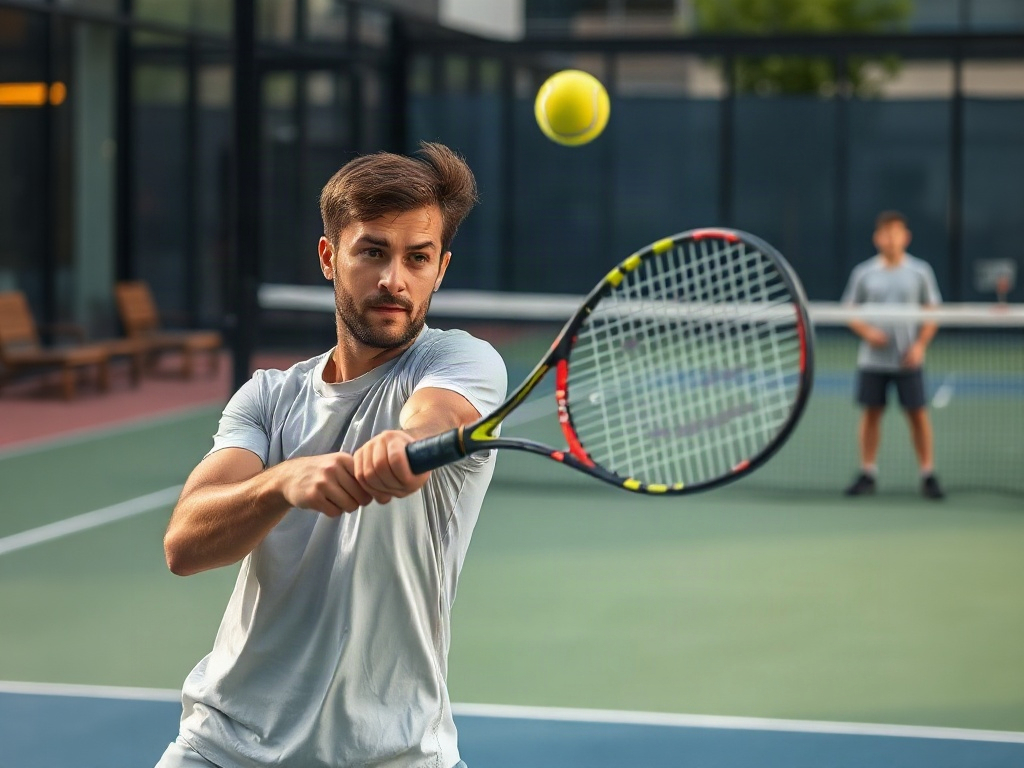
The return of serve in padel is one of those moments that looks simple from a distance but changes the entire shape of a point when it is done well. A clean return does more than put the ball back in play because it can interrupt the server’s plan, slow down an aggressive team, and create instant pressure in a rally that has barely started. If you treat the return as a defensive gesture only, you give away a major opportunity to control the exchange from the first shot. The best players understand that this shot is part decision, part preparation, and part discipline, which is why small adjustments can lead to big improvements. Even a modest upgrade in positioning, timing, and target choice can turn a neutral return into a point-building weapon. That is the real goal here: not just surviving the serve, but using it as the opening move of your own strategy.
Why the return of serve matters in padel
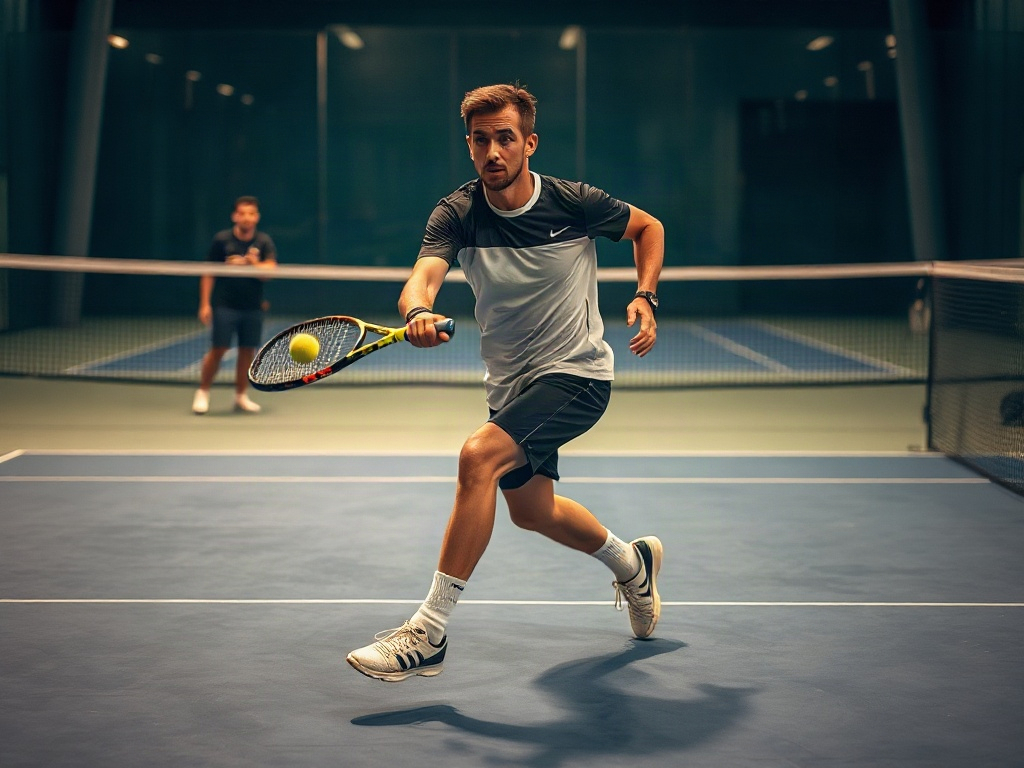
In padel, the serve is usually less explosive than in tennis, but that does not make it harmless. A strong first volley after a loose return can put your team under immediate pressure and force you into a defensive pattern that is hard to escape. Because the court is smaller and the walls create extended rallies, the return has an outsized impact on where the point will be played next. If your return is weak, high, or predictable, the serving pair can take the net and dictate angles before you have settled into the point. When the return is deep and purposeful, however, you can delay their net approach, reduce their attacking options, and make their first volley uncomfortable. That is why improving this one shot often produces faster match results than trying to overhaul your entire game.
The return also reveals how well you read the game under pressure. Some players hit the same ball every time, no matter who serves, where they are standing, or how the ball is coming at them. Others adapt quickly, using smarter footwork and better target selection to create awkward situations for the opponents. A good return is not always flashy, but it is often the difference between a team that is reacting and a team that is steering the rally. If you can consistently return with shape, depth, and intention, you will win more neutral exchanges and force more mistakes from the other side. That consistency starts with understanding the three pillars of a better return: position, timing, and target.
Understanding the padel return of serve
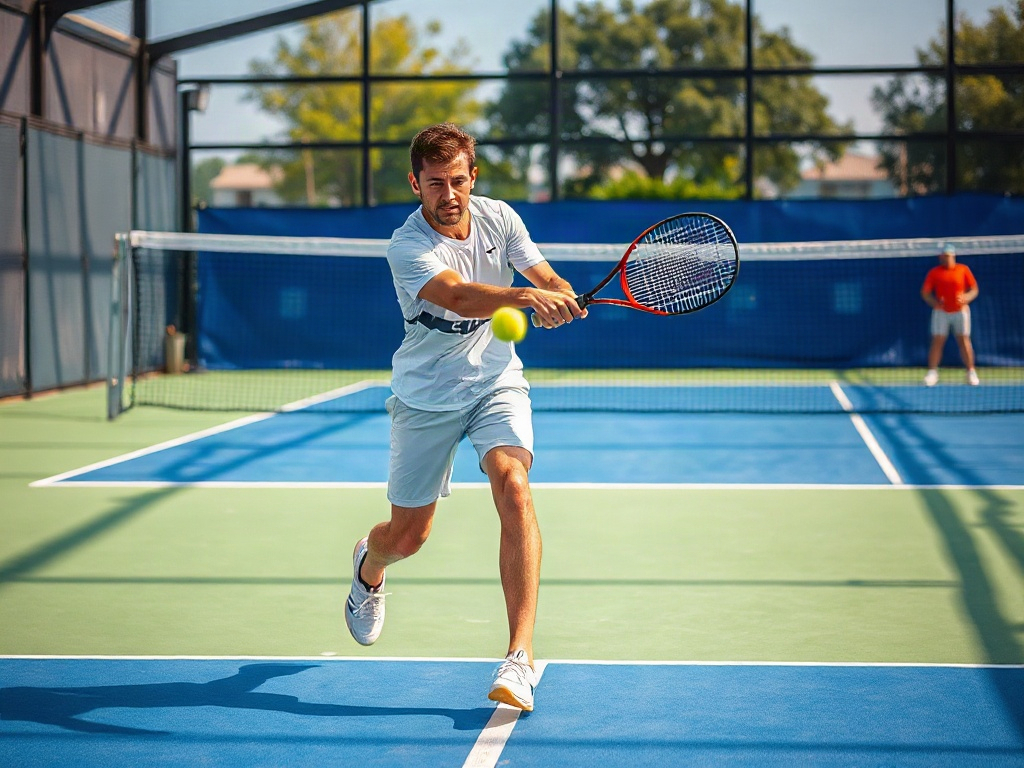
The padel return is not just about getting the ball back in the court, because the quality of the return influences the quality of the next shot. When players rush the shot or overcommit to power, the return often floats upward and invites an easy volley. When they are too passive, they leave the ball short and allow the serving team to move forward with confidence. The best returns usually come from a balanced approach that combines compact mechanics with clear decision-making. In practice, that means you should know where you are standing, when you are preparing, and where you want the ball to land before the serve is even struck. Those three questions simplify a situation that many players make unnecessarily complicated.
There are also different kinds of serves in padel, and each one asks for a slightly different response. A flatter serve may rush your contact point, while a slice serve may pull the ball away from your strike zone and force a more controlled swing. Some servers aim to jam you with pace, while others use placement and spin to remove rhythm instead of speed. Your return should reflect those differences rather than ignoring them. The most reliable players do not try to play one perfect return in every circumstance; instead, they choose the highest-percentage response for the serve in front of them. That mindset reduces errors and helps you make better tactical decisions throughout the match.
Positioning for a better return
Your starting position shapes everything that follows on the return. Stand too far back and you give the server time to approach the net with confidence, even if you make contact comfortably. Stand too close and you may feel rushed, which can lead to late preparation and awkward contact. The ideal position depends on the serve quality, your reaction speed, and your ability to take the ball early without losing control. Most players benefit from adjusting a step or two rather than standing in one fixed place every time. That small adjustment can help you read the serve more clearly and match your body position to the pace of the ball.
Good positioning is not only about distance from the baseline, because your body angle and balance matter just as much. If you are squared up and ready to move, you can react more cleanly to serves that bounce near the side glass or kick off the wall. If you are leaning or flat-footed, even a moderate serve can feel difficult to handle. You should also think about where the return is most likely to travel after contact, since your recovery path begins before the ball leaves your racket. A returner who stays balanced is able to transition quickly into the next stage of the point. That is one reason high-level padel looks calm even when the rally begins with pressure.
Returning from deeper behind the baseline can give you extra time, which is useful against servers with pace or deceptive spin. That deeper position allows you to track the bounce more clearly and react with a smaller margin of error. However, standing too deep can also hand the initiative to the serving pair by giving them room to move forward unchallenged. Stepping forward, on the other hand, can help you take the ball earlier and send back a more aggressive return that cuts off their approach. This is especially effective when the serve is predictable or when you have already read the server’s patterns well.
The choice is not about one approach being universally better, but about using the correct option at the correct moment. If the server is landing heavy slice into your body, a slightly deeper setup may be the smarter choice. If the serve is slower and sitting up, stepping in can help you redirect pressure immediately. The goal is to make your position intentional rather than habitual. When your stance reflects the situation, your returns become more efficient and your decision-making improves naturally. In that sense, positioning is less about standing somewhere and more about preparing for the next shot with purpose.
Timing your return properly
Timing is what transforms a decent return into a confident one. Even with strong positioning, poor timing can make the swing feel rushed or mistimed, which usually leads to weak contact. The key is to begin your preparation early enough that the actual stroke feels simple rather than reactive. Watching the server’s body, racket path, and toss-equivalent motion gives you clues before the ball is hit, and those clues help you start moving before the serve reaches you. The best returners are not guessing at the last second; they are reading patterns and arriving in a stable position before contact. That is how they make fast serves look manageable.
Another piece of timing is the split step, which helps you become ready at the precise moment the serve is struck. Without that small rhythmic adjustment, many players remain static and slow to react. With it, your body is loaded and responsive, allowing your first step to be shorter and more efficient. This is especially important in padel because the bounce may change direction after contacting the glass or the side wall. If you are late, you lose not just speed but also clarity, which makes the return feel more rushed than it needs to be. Timing is therefore not a separate skill from footwork; it is the bridge between seeing the serve and executing the return.
The split step should happen just before the server makes contact, not after the ball has already started traveling toward you. That timing allows your body to absorb the movement and spring into the correct direction without hesitation. Many players make the mistake of jumping too early, which causes them to land flat-footed by the time the serve arrives. Others never fully commit to the split step at all, which leaves them stuck in a slow and reactive stance. A clean split step gives you balance, readiness, and a clearer first movement.
To improve this habit, practice timing drills where you react to the server’s motion rather than the ball itself. Short, repeated reps can help your body learn the rhythm of loading and moving at the right moment. You can also work on watching the server’s shoulder rotation and racket acceleration, since those cues often predict the strike point. The more consistently you time the split step, the less effort your return requires. That efficiency matters because a good return should feel controlled, not forced.
Choosing the best return targets
Target selection is where good returners separate themselves from merely consistent ones. A return that lands anywhere in the court may keep the rally alive, but a return aimed with intent can influence the opponent’s first volley and the position of both teams. In most matches, high-percentage targets are the ones that reduce angles and make it harder for the serving pair to attack. That usually means aiming at the feet, into the middle, or into space that disrupts communication. The important thing is to avoid random placement and instead choose a target that matches the serve you are receiving. Smart target selection creates pressure without requiring a risky shot.
When you choose your target with purpose, you also improve your own recovery. If you know where the ball is going, your body can begin moving into the next phase of the point sooner. This is especially valuable in padel, where the serving team often wants to transition to the net immediately after the serve. A well-directed return slows that transition and can even stop it completely. The result is not only a better shot but also a better position for your next movement. In other words, the target is part of your recovery plan, not just a place to send the ball.
| Return target | Why it works | Best use case |
|---|---|---|
| Server’s feet | Makes the first volley awkward and lowers attack quality | Most standard serves and neutral rally setups |
| Middle of the court | Creates communication issues and reduces easy angles | When opponents hesitate or do not cover space well |
| Open space away from the server | Forces longer movement and can expose weaker positioning | When you read the server’s movement early |
| Deep toward the glass | Limits immediate net pressure and buys time | Against aggressive servers looking to volley quickly |
Targeting the server’s feet
Hitting the server’s feet is one of the simplest ways to make the first volley difficult. A low return reduces the attacker’s ability to generate clean pace and forces them to contact the ball from an uncomfortable height. Even when the server reaches the ball, the response is often less dangerous because they have less time and less control. This makes the feet a practical target for both defensive and neutral returns. It is not a glamorous choice, but it is one of the most productive ones.
This target is especially useful when you are under pressure and want to remove easy angles. If the return sits low and close to the body, the server has fewer options and is more likely to send back a predictable volley. That predictability is valuable because it helps your team re-enter the rally on better terms. You do not need to hit the perfect winner; you only need to prevent the opponent from attacking freely. That is often enough to shift the point in your favor.
Returning to the middle or open space
The middle of the court is one of the most misunderstood targets in padel because it is not always exciting, but it is often very effective. When you send the return into the central zone, you force the opponents to communicate and decide quickly who takes the next ball. That hesitation can create errors, weaker volleys, or awkward body positions. It is especially helpful when one opponent is stronger than the other, because the middle can create doubt and disrupt their preferred patterns. In many cases, the safest-looking target is actually the one that causes the most tactical problems.
Open space can also be useful, particularly if the server is leaning or moving after contact. A return that travels into uncovered court can delay the net approach or open a lane for the next shot. Still, this option needs more accuracy than a straight shot to the feet, so it works best when you have already read the serve well. Do not chase the corner every time just because it looks available. Choose open space when it is truly available, not when it is merely tempting.
Return tactics for different serve types
Not every serve in padel should be answered the same way, because pace, spin, and placement all affect your contact point. A flat serve often arrives faster and demands earlier preparation, which means your split step and racket readiness become more important. A slice serve may curve away from your ideal swing path and require a calmer, more compact stroke. Some servers use the body as a target, trying to jam you and remove full extension. Others serve wider to pull you out of position and create space behind your recovery path. Once you identify the serve style, your return decisions become far more precise.
- Against flat serves: keep your preparation early and compact, and avoid over-swinging for power.
- Against slice serves: focus on balance and contact quality rather than forcing a big follow-through.
- Against body serves: shorten your backswing and prioritize control over aggression.
- Against wide serves: adjust your first step quickly so you can still return with direction instead of panic.
Adapting to the serve type does not mean changing everything about your technique. It means making small, practical adjustments that preserve control under different conditions. A compact swing is often enough to turn a difficult serve into a manageable return. When you try to create too much from a poor ball, errors usually increase and your margin shrinks. The smarter approach is to keep your base technique stable while adapting the details. That balance allows you to stay consistent without becoming predictable.
Drills to improve your return of serve
Practice is where return quality becomes repeatable rather than occasional. One of the most useful drills is a simple repetition setup in which a partner serves different patterns and you focus only on positioning and clean contact. Another useful drill is target-based returning, where you choose one zone and work on sending a series of balls there under light pressure. You can also add movement constraints, such as beginning a half-step deeper or closer to test your adjustment skills. The purpose of drills is not just to hit more balls, but to train your body to recognize serve patterns and respond calmly. That is what carries over into matches.
It also helps to practice return sequences rather than isolated shots. For example, return one ball cross-court, recover, and then visualize the next volley you would face. That kind of rehearsal teaches you that the return is part of a larger pattern, not a standalone strike. You can even score your drills based on depth, target accuracy, and recovery speed instead of just whether the ball lands in. That makes your practice more match-like and more honest. The more realistic your training, the more reliable your return becomes when the score starts to matter.
- Positioning drill: have a partner serve from different spots while you adjust your start position before each return.
- Timing drill: focus on the split step and react to the server’s motion rather than the ball flight alone.
- Target drill: aim at the feet, middle, or open space and track your accuracy over a set of serves.
- Pressure drill: start each point with a score scenario so the return feels more like a real match.
Common return mistakes to avoid
One of the biggest mistakes players make is standing in the wrong place for too long. If you never adjust your starting position, strong servers will exploit that habit and make the return more uncomfortable than necessary. Another common issue is preparing too late, which usually leads to a rushed swing and poor contact. Some players also try to hit every return with too much power, even when the serve is heavy or awkward. That approach looks assertive, but it often produces a higher error rate and less control. Smart returns are usually built on simplicity, not force.
Recovery is another area where players lose value after an otherwise decent return. If you admire your shot or stay stuck near the baseline, the serving team can take advantage of your delay. You should already be thinking about the next ball while the return is leaving your racket. This does not mean panicking; it means moving with purpose as soon as you complete the stroke. A return that is technically good but tactically careless still gives away advantage. Avoiding these mistakes will make your return more dependable and much harder to attack.
- Standing too deep without adjusting to serve speed.
- Jumping or splitting too early and losing balance before contact.
- Aiming for too much power instead of a safer, lower target.
- Failing to recover after the shot and allowing easy volleys.
Match play tips for better returns
In match play, confidence matters almost as much as technique, because hesitation often shows up in the return. If you are facing a strong server, commit to a simple plan before each point rather than improvising under pressure. That plan might be as basic as standing a little deeper, taking a compact swing, and aiming at the feet. Simplicity reduces mental noise and helps you trust your preparation. When you feel rushed, the answer is often to slow your decision-making, not to swing harder. The calmer your routine, the more repeatable your return will be.
Communication with your partner also matters more than many players realize. If one side of the court is being targeted repeatedly, your pair should discuss how to adjust positioning and which return patterns are working. You can also use your returns to set up your partner’s strengths by choosing targets that produce predictable volleys. Over time, this makes your team more coherent and harder to disrupt. The return is not only an individual skill; it is also a team action that shapes the rhythm of the point. Better communication often leads to better returns and better team structure overall.
Итог
Improving your padel return of serve comes down to mastering three connected ideas: positioning, timing, and targets. If you place yourself well, prepare early, and choose your landing spot with purpose, the return becomes a tactical tool instead of a survival shot. That shift can change how often you hold the net, how much pressure you absorb, and how many points you start on your terms. The most effective returns are rarely the most spectacular ones, but they are almost always the most deliberate. Focus on the habits that create control first, and the quality of your return will rise naturally. With consistent practice, this one shot can become one of the most reliable ways to influence a padel match.
Часто задаваемые вопросы
- Where should I stand when returning serve in padel?
Start from a position that gives you enough time to react without letting the server walk into the net for free. If the serve is fast or heavy with spin, stand a little deeper. If the serve is slower, you can move forward slightly to take the ball earlier. The best position is the one that lets you stay balanced and make an intentional return. - What is the best target on a padel return?
The server’s feet and the middle of the court are usually the safest and most effective targets. Both options reduce attacking angles and make the first volley harder to control. If you read the serve well, open space can also be a strong option. In general, choose the target that gives your team the best chance to reset the point. - Should I return aggressively or safely?
A controlled return is usually the best default choice. Aggression is useful when the serve sits up or when you have a clear read on the ball. If you force too much power, your error rate will usually rise. The smart balance is to play safely with intent and attack only when the situation supports it. - How can I improve my timing on the return?
Focus on the split step, watch the server’s motion, and start your preparation before the ball is struck. Practice reacting to serve patterns so your body learns the correct rhythm. The more consistently you load at the right moment, the easier the return will feel. Timing improves most when it is trained repeatedly under realistic conditions. - What is the biggest mistake players make on the return?
One of the biggest mistakes is failing to combine preparation with a clear target. Many players either react too late or swing without a plan. That leads to loose returns and easy volleys for the opponent. A better approach is to prepare early, stay balanced, and direct the ball with purpose.