Private Padel Coaching
Decide what individual attention should solve
Private padel coaching is most useful when the extra attention addresses a clear need. You might be learning wall defence, rebuilding a contact or trying to understand why a tactical choice keeps failing. Write down one recurring example from recent games and share it before booking. A coach may refine that diagnosis, but a concrete starting point helps. This guide compares service formats; TTP Padel Lab does not claim to supply coaches or run a training facility.
Compare one-to-one and pair sessions
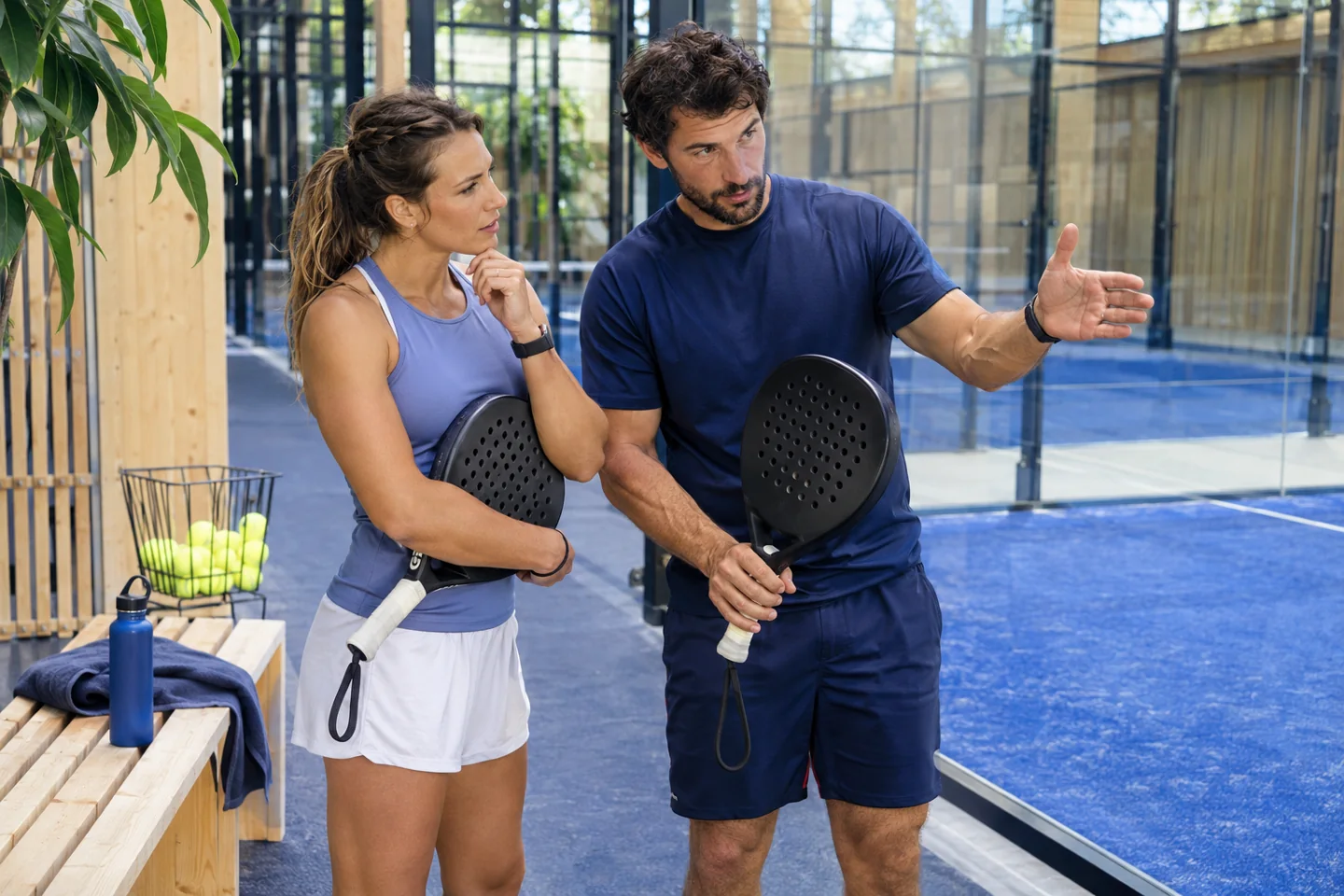
One-to-one work can provide frequent feedback and carefully controlled repetition. A lesson with your regular partner can reveal shared movement and communication problems that are difficult to reproduce alone. Ask how the coach selects between these formats and whether the objective requires live points with more players. The right answer depends on the task. Do not assume that paying for fewer participants is always better if the difficulty involves coordinating a pair under pressure.
Ask how assessment becomes a plan
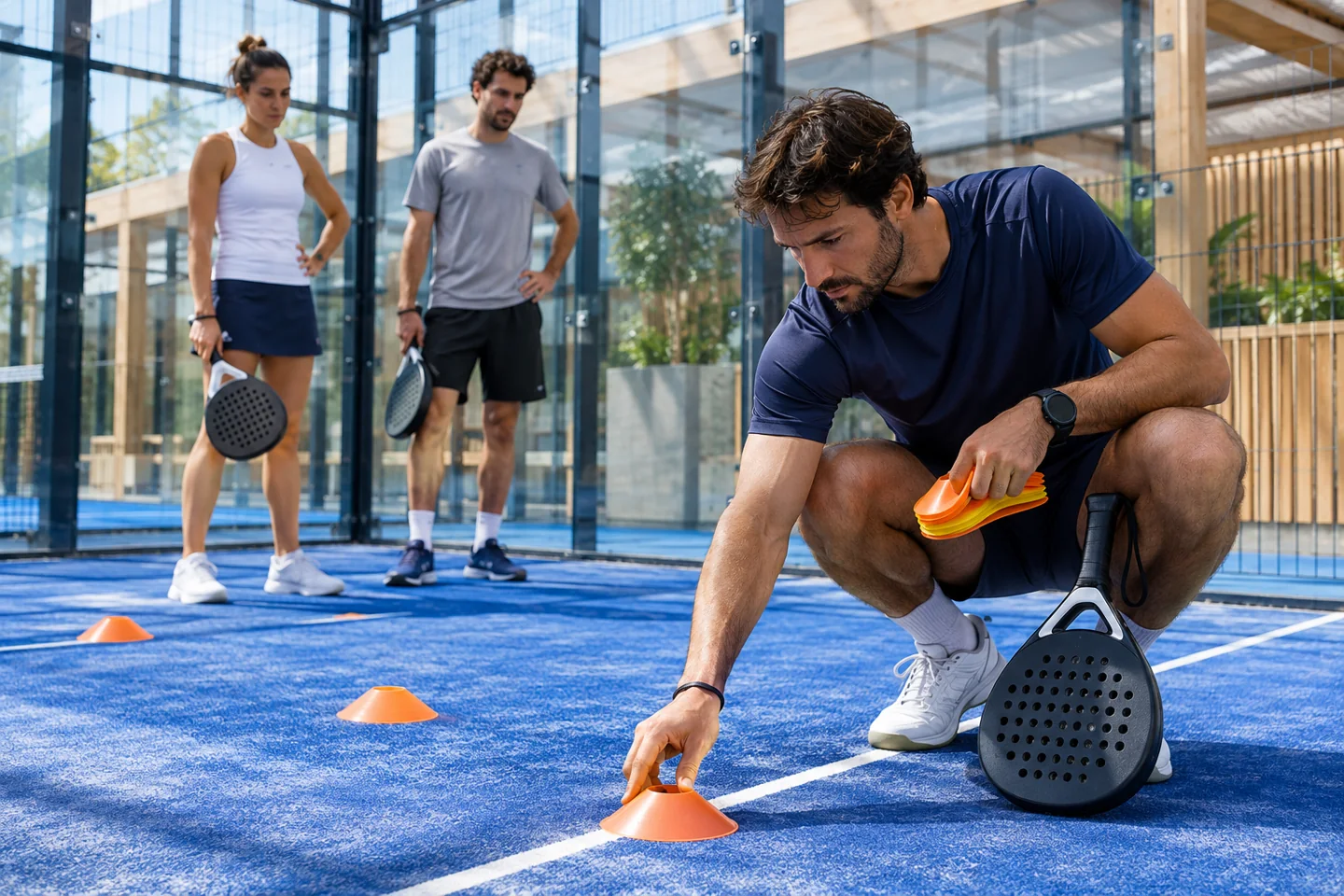
A useful assessment identifies both what happens and a plausible reason. Find out whether the coach watches live play, uses structured tasks or asks about previous experience. Then ask how the next session will build on the first. You should be able to understand the proposed goal without technical language obscuring it. If video is used, ask for the purpose, how recordings are shared and what consent or retention arrangements apply before agreeing to be recorded.
Understand the financial and practical commitment
Confirm the lesson duration, court fee, equipment requirements and cancellation terms directly. If considering a package, ask whether sessions expire and how changes in coach or venue are handled. A package should fit your schedule and allow time to practise between meetings. The promise of concentrated attention is not a guarantee of rapid improvement. Choose a first session that lets you evaluate communication and task design before deciding on a longer programme.
Measure usefulness beyond a good hour
A lesson can feel impressive while leaving you unsure what to do next. Before you finish, ask for one manageable practice task and a clear sign that it is working. In your following games, notice whether the decision or movement becomes more repeatable. Share difficulties honestly at the next session, rather than trying to demonstrate perfect progress. For a more intensive format, read our training camp comparison guide. Return to Home to organise your next training decision.